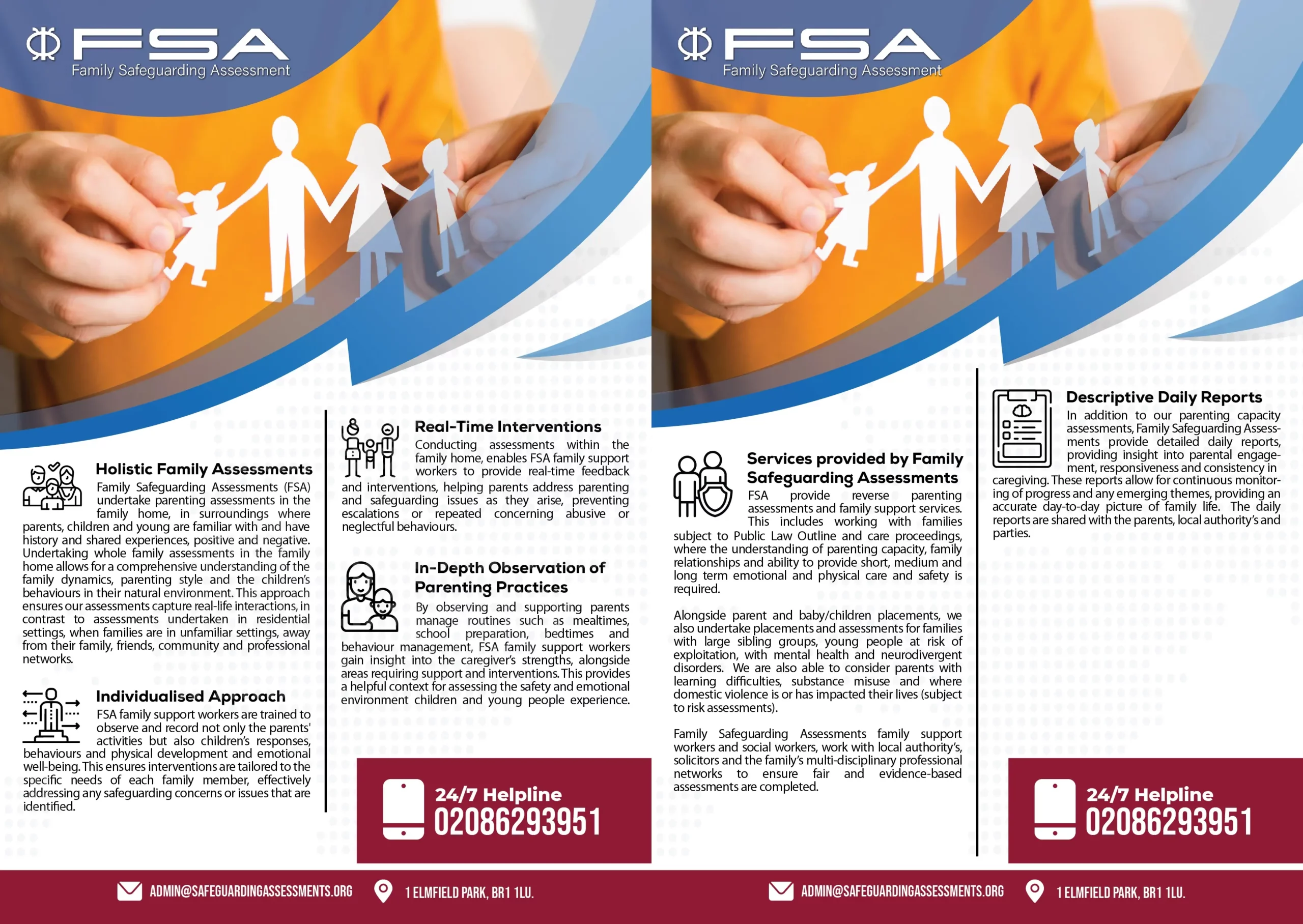
A parenting assessment report provides structured information about a parent’s circumstances, parenting abilities and ability to meet a child’s needs.
When a family court is considering issues concerning children, assessment information may help clarify questions that cannot be answered fully from other evidence alone.
However, a parenting assessment report does not decide the case. The court considers the assessment alongside the other evidence and applies the relevant legal framework.
Understanding what a report can and cannot tell the court can help parents and professionals approach the process more clearly.
A parenting assessment report is a written account of an assessment of a parent’s ability to care for and meet the needs of a child.
The contents will depend on the purpose and scope of the assessment.
A report may bring together information from:
The assessor should focus on the questions that the assessment is intended to address.
There is no single template that applies to every parenting assessment.
However, a report may consider several broad areas.
The report may identify areas where a parent demonstrates appropriate parenting skills.
These could include:
Identifying strengths is important because an assessment should provide a balanced picture rather than focusing exclusively on difficulties.
Where relevant, the report may identify concerns affecting the child’s welfare.
These could relate to:
The specific issues depend on the case.
The assessor may consider whether the parent understands concerns that have previously been raised.
This may involve exploring what happened, how the parent understands those events and whether they recognise how their decisions may have affected the child.
Insight is not simply about agreeing with every professional opinion. It may involve demonstrating an ability to reflect on events and consider how future situations could be handled differently.
A report may distinguish between information obtained from different sources.
For example, there may be a difference between:
This distinction is important because the court needs to understand the basis for the conclusions being presented.
Where formal expert evidence is involved, the Family Procedure Rules contain requirements concerning expert reports and the expert’s duty to the court.
A well-focused assessment report can help the court understand issues such as:
The report may analyse whether the parent’s current abilities are sufficient to meet the child’s needs.
Where safeguarding is relevant, the assessment may consider whether the parent recognises potential risks and understands how those risks can be managed.
Where previous concerns exist, the report may consider whether meaningful changes have occurred.
The assessment may identify areas where additional support, intervention or monitoring could be relevant.
No.
This distinction is extremely important.
A parenting assessment report provides evidence or assessment information. The family court remains responsible for determining the issues before it.
In care proceedings, court guidance recognises the importance of assessing the child’s needs, parental capability and the relationship between the two.
The report therefore contributes to the court’s understanding of the case rather than replacing the court’s decision-making function.
Depending on the assessment, the report may contain recommendations.
For example, recommendations might address:
Recommendations should be connected to the findings and the purpose of the assessment.
They should not simply be a list of general suggestions unrelated to the evidence.
A parent may understandably be concerned if an assessment identifies significant difficulties.
The important point is to understand exactly what the report says.
A parent may wish to discuss the report with their solicitor and identify:
The appropriate response will depend on the circumstances and legal advice should be sought where necessary.
The answer depends on the nature of the report and the stage of proceedings.
Where formal expert evidence is involved, the Family Procedure Rules contain mechanisms concerning questions to experts and the use of expert evidence. For example, Rule 25.10 provides for written questions to experts for clarification, subject to the applicable requirements and court directions.
A parent should discuss any concerns about the report with their legal representative rather than assuming that every disagreement requires a separate assessment.
These terms should not automatically be treated as interchangeable.
A parenting assessment may be prepared for a particular professional or court-related purpose without necessarily being formal expert evidence.
Where someone is acting as an expert for family proceedings, specific duties and procedural requirements apply.
Current Family Procedure Rules state that an expert’s duty is to help the court on matters within their expertise and that this duty overrides obligations to the person instructing or paying the expert.
The court considers the evidence before it and makes its own decision. An assessment report is not automatically the final decision.
The contents depend on the purpose of the assessment, but it may include background information, assessment findings, observations, strengths, concerns and recommendations.
Yes. An assessment can identify strengths as well as areas requiring change or support.
Assessment material may form part of the evidence considered in care proceedings, depending on how it was commissioned and the court’s directions.
A parenting assessment report can help the family court understand parenting strengths, concerns, safeguarding issues and the parent’s ability to meet a child’s needs.
Its value depends on the quality, relevance and evidence supporting the assessment.
For a wider explanation of how assessments fit into family court proceedings, read our guide to Parenting Assessments and Family Court.
At Family Safeguarding Assessments (FSA), we understand the importance of keeping families together while ensuring the safety and well-being of children