Child development is shaped, above all, by the stability and security of a child’s environment and attachment plays a central role in a child’s emotional and psychological growth. At Family Safeguarding Assessments (FSA), minimising disruption to a child or young person’s life is one of our guiding principles throughout every assessment we carry out.
Wherever possible, we work to ensure that children and young people can maintain their existing routines during an assessment continuing to attend school, keep up after-school activities, and stay connected to family, friends, and their local community. Preserving this familiar structure and these social connections helps protect a child’s sense of security and normalcy at what can otherwise be a highly disruptive time.
Our Family Support Workers (FSWs) play a central role in supporting bonding and attachment throughout an assessment. Beyond simply observing, they attend a child’s regular activities to help ensure their ongoing safety and wellbeing, while also offering a steady, supportive presence that reassures both children and parents during a stressful process.
During observations and direct work with parents, our FSWs capture the everyday interactions between parents and children the small moments that reveal a great deal about the dynamics within a family. These observations allow us to offer tailored, practical support and advice aimed at strengthening family bonds and building a nurturing, safe home environment.

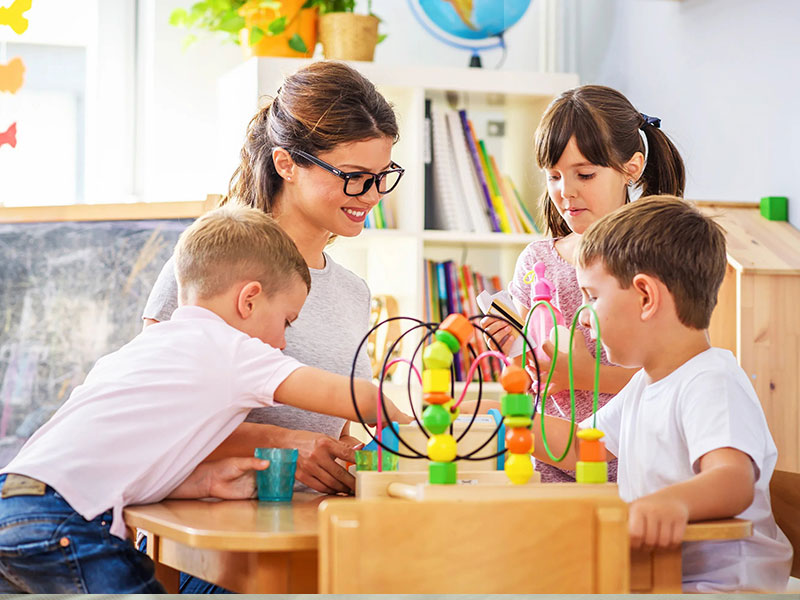
Alongside observation, our Family Support Workers engage directly with parents and children to support learning and development in areas such as:
FSWs also provide practical, hands-on support with everyday tasks household management, meal preparation, and other aspects of daily family life helping parents build sustainable routines rather than simply demonstrating capability during a single observed visit.
We aim to create a non-judgemental, supportive space for parents to express themselves openly, while ensuring that babies, children, and adolescents remain safeguarded throughout. This balance support alongside honest, evidence-based observation is central to how FSA works with every family, and it’s what allows us to identify both genuine risks and real strengths accurately.


Bonding time” activities supported play, shared routines, and everyday caregiving moments are among the clearest windows into a family’s existing strengths and areas for development. Rather than relying on a single formal interview, our approach builds a fuller, more honest picture over time, informed by real interactions in a family’s own home.
By maintaining continuity in children’s daily lives and offering consistent, practical support alongside assessment, FSA aims to help create a stable, loving environment that gives every child and young person the best possible chance of a positive outcome whether that means supporting a family to stay together, or providing clear, well-evidenced findings to inform the next steps in a child’s care.
Our approach to bonding and attachment sits alongside our core assessment services:
To discuss a referral, contact us or call 02086293951.
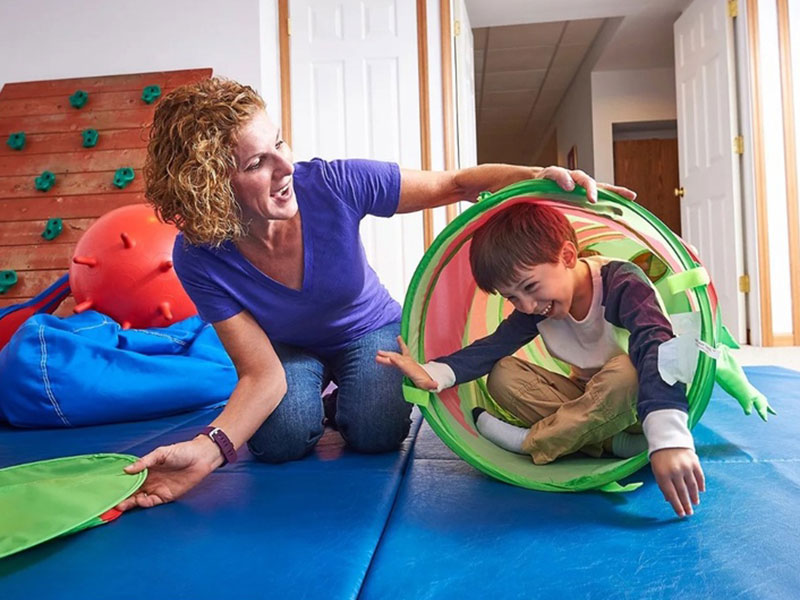

Play and quality time between parents and adolescents, while potentially different from play with younger children, is still valuable for building and maintaining strong relationships, open communication and supporting adolescent development. Engaging in playful activities can help bridge the generation gap, reduce stress and create positive shared experiences.
Our playtime activities are designed to be interactive and developmentally appropriate, encouraging creativity, problem-solving, and social skills. Parents are guided on how to engage their children in play that is age-appropriate, enjoyable and educational, fostering a deeper connection and understanding between them.
Playtime is more than just fun; it is an essential part of learning. Our play time activities are designed to be interactive and developmentally appropriate, encouraging creativity, problem solving and helps with building social skills. Parents are guided on how to engage their children in play that is both enjoyable and educational, fostering a deeper connection and understanding between them all.
Our family assessment process is holistic and personalised. We take the time to understand each family’s unique needs and dynamics, ensuring that our programs are tailored to provide the most benefit. During the assessment, we identify areas where additional support may be needed and develop a comprehensive plan to address those needs. This process ensures that our interventions are effective and relevant to each family’s situation.
Our ultimate goal is to promote positive outcomes for children and their parents. By fostering strong, healthy bonds, we help children develop the confidence and security they need to thrive. Parents, in turn, gain the skills and confidence to support their child’s development effectively. Together, we create a nurturing environment where families can grow and flourish.
Through our focus on teaching, play, and family bonding, FSA is committed to making a meaningful impact on the lives of the families we serve. Our programs are designed to support and enhance the natural bond between parents and children, providing a solid foundation for a lifetime of love, learning, and growth.
At Family Safeguarding Assessments (FSA), we understand the importance of keeping families together while ensuring the safety and well-being of children