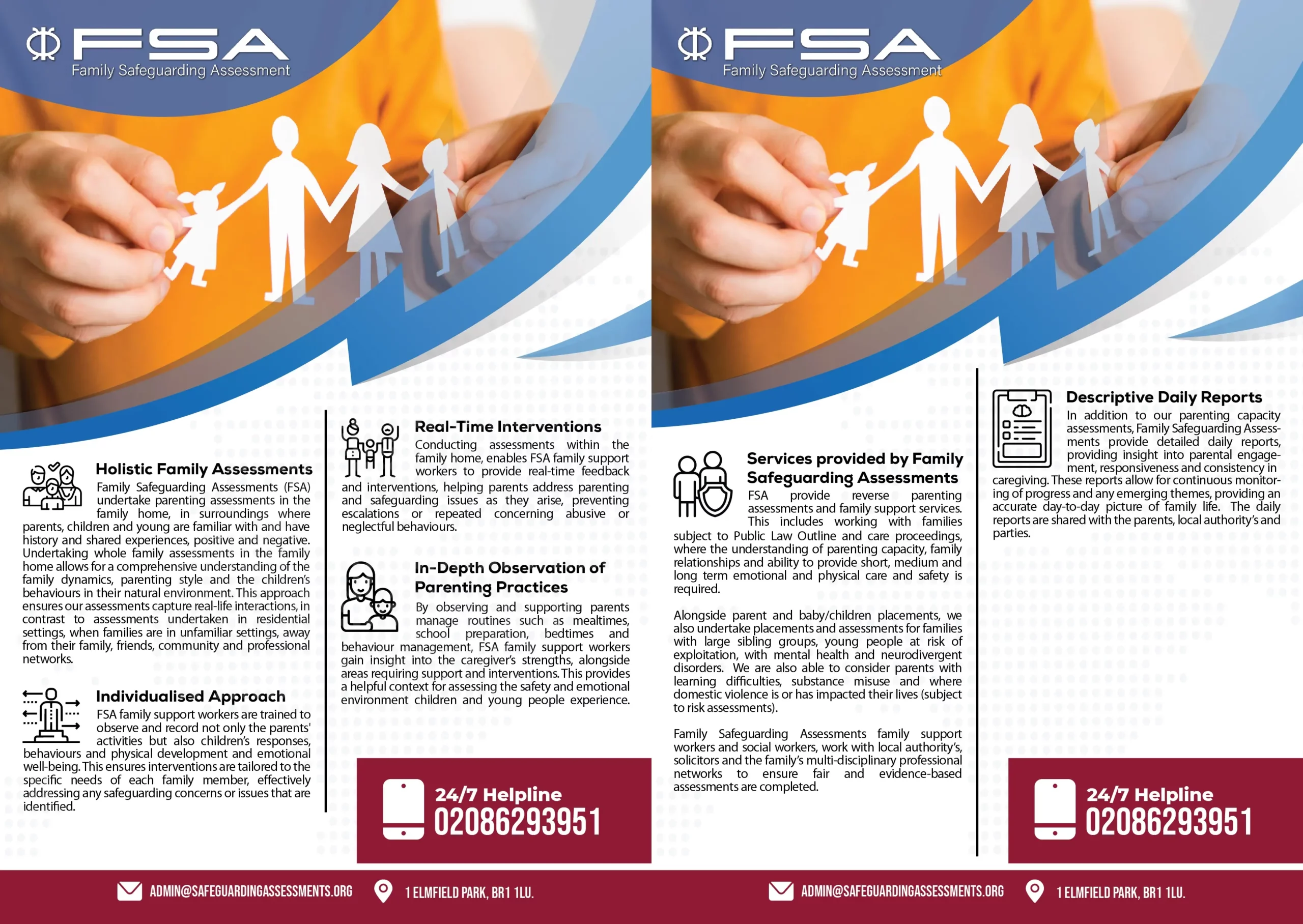
A parenting assessment can form an important part of family proceedings when questions arise about a parent’s ability to meet a child’s needs and provide safe, consistent care.
For parents, being asked to take part in an assessment can raise many questions: Why is the assessment needed? What will happen? What will the assessor look at? What information will be considered? And how might the findings be used during family court proceedings?
For solicitors, local authorities, social workers and other professionals, it is equally important to understand what a parenting assessment can contribute to a case and how assessment findings should be distinguished from formal expert evidence.
This guide explains the role of parenting assessments in family court proceedings, what the assessment process may involve, the types of information that can be considered, and what parents and professionals can expect.
Important: This article provides general information about parenting assessments and family proceedings in England and Wales. It is not legal advice and does not determine what should happen in an individual case. The exact assessment process depends on the circumstances of the family and any directions or requirements applying to the proceedings.
A parenting assessment is a structured assessment of a parent’s ability to meet a child’s needs and provide appropriate care.
Depending on the circumstances, an assessment may consider areas such as:
The precise scope of an assessment depends on the questions that need to be considered in the particular case.
A parenting assessment is not simply about deciding whether someone is a “good” or “bad” parent. It should involve consideration of relevant information, observations and circumstances and should address the issues that are relevant to the child and the case.
Family court proceedings involving children can involve complex questions about a child’s welfare, relationships, care arrangements and safety.
A parenting assessment may be considered where information is needed about a parent’s capacity to care for a child or about specific issues affecting the family’s circumstances.
The reason for an assessment will depend on the individual case.
For example, questions may arise about:
The assessment should focus on the relevant issues rather than attempting to answer questions that fall outside its purpose.
Read more: Why Might the Family Court Request a Parenting Assessment?
There is no single checklist that applies identically to every parenting assessment.
The areas considered will depend on the circumstances of the child, the concerns identified and the questions that need to be addressed.
Common areas may include:
An assessment may consider how a parent understands the child’s physical, emotional, developmental and practical needs.
This can include whether the parent recognises that children’s needs change with age and circumstances.
Practical parenting can include areas such as:
The assessment may consider how the parent responds to the child’s emotions and whether the parent can recognise and respond appropriately to the child’s emotional needs.
Depending on the case, the assessment may consider whether a parent understands risks affecting the child and whether they can take appropriate steps to reduce those risks.
Where direct observation forms part of the assessment, the assessor may consider interactions between the parent and child in relevant situations.
Where previous concerns have been identified, an assessment may consider what changes have occurred, how those changes have been demonstrated and whether they appear sustainable.
The exact areas considered should be linked to the circumstances and questions relevant to the case.
The process can vary depending on the type of assessment, the family circumstances and the questions being addressed.
An assessment may involve reviewing relevant information, speaking with parents and other relevant people, observing parenting and considering information from other professionals.
Depending on the assessment, activities may include:
Parents should be given appropriate information about the assessment process and what is expected of them.
The exact process should not be assumed to be identical across all assessments.
A parenting assessment may draw on different sources of information.
Depending on the circumstances, this may include:
The importance of any particular source will depend on the circumstances and the purpose of the assessment.
A responsible assessment should not rely on one isolated piece of information without considering the wider context.
Read more: What Evidence Is Considered in a Court-Related Parenting Assessment?
The purpose and status of a report depend on the circumstances in which it was prepared and the role of the person who prepared it.
A report may set out:
It is important to distinguish an assessment report from formal expert evidence.
Under the Family Procedure Rules, an expert in family proceedings has an overriding duty to assist the court and must provide an independent opinion within their area of expertise. The rules also regulate the use of expert evidence, including requirements concerning court permission in relevant circumstances.
Therefore, a parenting assessment carried out for social-care or other purposes should not automatically be described as an “expert assessment” or “expert evidence.”
The legal status and evidential use of a particular report depend on the circumstances and the relevant court directions.
Read more: What Does a Parenting Assessment Report Tell the Family Court?
In care proceedings, the court considers evidence relevant to the child’s welfare and the issues that need to be determined.
A parenting assessment may provide information about parenting capacity and other issues identified as relevant to the case.
Where expert evidence is proposed, the Family Procedure Rules and associated Practice Directions contain specific requirements concerning the use of experts and expert reports. Practice Direction 25C, for example, addresses the process for expert evidence in children proceedings, including identifying the issues, questions to be answered, relevant timetable and when the report is required.
A parenting assessment should therefore be considered within the wider evidence and case context rather than viewed in isolation.
Read more: How Are Parenting Assessments Used in Care Proceedings?
The questions addressed by an assessment depend on the circumstances and the purpose of the assessment.
Examples may include:
The questions should be sufficiently specific to allow the assessment to address the issues that matter to the case.
Where formal expert evidence is involved, the court’s directions and applicable rules determine the questions that the expert is asked to address. Practice Direction 25B states that an expert must answer the questions they are required to address and remain within their area of expertise.
Read more: What Questions Can a Parenting Assessment Address in Family Court?
Recommendations should be connected to the evidence and findings from the assessment.
Depending on the purpose of the assessment, recommendations may relate to:
Recommendations should not simply list concerns. They should explain how the findings relate to the issues being assessed.
Where an expert report is involved, the Family Procedure Rules require an expert report to provide reasons for opinions and set out conclusions and opinions appropriately.
It is also important to remember that an assessment report does not itself make the final decision in a family court case. The court considers the evidence and makes decisions within the legal framework applicable to the proceedings.
Read more: How Are Recommendations Made Following a Parenting Assessment?
Sometimes an assessment may identify concerns relating to a child’s safety or welfare.
The response will depend on the nature and seriousness of the concern and the circumstances of the case.
Potential issues may include:
Where safeguarding concerns arise, professionals should follow the relevant safeguarding procedures and responsibilities applicable to the situation.
The assessment itself should explain relevant findings and evidence rather than simply using broad labels.
The fact that an assessment identifies a concern does not by itself determine the final outcome of family proceedings. The court considers the evidence and the circumstances of the case when making decisions.
Read more: What Happens If a Parenting Assessment Raises Safeguarding Concerns?
An independent social worker may be instructed to undertake assessment work or provide professional input depending on the circumstances of a case.
Their role depends on the terms of their instruction and, where applicable, the court’s directions.
An independent social worker may undertake activities such as:
The word “independent” does not mean that the social worker acts for one side of the dispute.
`Where a person is acting as an expert in family proceedings, the expert’s overriding duty is to the court rather than to the party who instructed or paid them.
This distinction is important when discussing independent social workers and expert evidence.
Read more: What Is the Role of an Independent Social Worker in Family Proceedings?
Parents may understandably feel uncertain about an assessment.
The most useful approach is generally to engage openly with the assessment process and understand what the assessment is intended to consider.
Depending on the circumstances, parents may wish to:
A parenting assessment is not simply about giving the “right” answers to questions. Where observation forms part of the assessment, the assessor may also consider how parenting is demonstrated in practice.
Professionals involved in family proceedings should be clear about the purpose and scope of any assessment.
Before an assessment begins, it can be helpful to identify:
Where expert evidence is proposed, the Family Procedure Rules and Practice Directions establish specific requirements around instruction, permission, reports and the expert’s duties.
Practice Direction 25C also highlights the importance of identifying the issues, questions, relevant timetable and the date by which an expert report may be required when expert evidence is being considered in children proceedings.
These terms should not automatically be treated as interchangeable.
A parenting assessment may be undertaken as part of social-care or other professional assessment work.
Formal expert evidence has a specific meaning within the family justice system and is governed by the applicable rules and court directions.
Under Family Procedure Rule 25.2, an expert is a person who provides expert evidence for use in proceedings, while Part 25 sets out rules concerning experts and assessors.
Practice Direction 25B also establishes an expert’s overriding duty to the court and requires the expert to provide independent opinions within their area of expertise.
For this reason, parents and professionals should establish the precise nature and purpose of an assessment rather than assuming that every assessment report is expert evidence.
There is no single timescale that applies to every parenting assessment.
The duration can depend on:
Where an assessment is connected to court proceedings, the relevant timetable and directions need to be taken into account.
For expert evidence, Practice Direction 25C specifically identifies the likely timetable of legal and social-work steps and the date when an expert report is likely to be required as matters that should be addressed in the process of instructing an expert.
Once the assessment work has been completed, the findings may be documented in a report or other professional record, depending on the type of assessment.
The next steps can vary considerably.
They may involve:
A report does not automatically determine the outcome of a case.
The court remains responsible for making decisions that fall within its jurisdiction, based on the evidence and applicable legal framework.
Where an assessment is required, the precise requirements of the case should be considered before a provider is instructed.
Professionals may need to consider:
For formal expert evidence, the Family Procedure Rules and Practice Directions contain requirements concerning experts, their duties, reports and the court’s control over expert evidence.
Safeguarding Assessments provides assessment services for families and professionals involved in safeguarding and family proceedings.
Depending on the circumstances and referral requirements, services may include parenting assessments and related family assessment work.
If you are a parent, solicitor, local authority or professional seeking an assessment, the appropriate assessment will depend on the individual circumstances, the questions that need to be addressed and any relevant court directions.
For information about the assessment services available, visit the relevant Safeguarding Assessments service page or contact the team to discuss the referral requirements.
Parenting assessments can provide structured professional information about parenting capacity, family circumstances and issues relevant to a child’s welfare.
For parents, understanding the purpose and process of an assessment can make the experience easier to navigate.
For professionals, clearly identifying the questions to be addressed, the evidence required and the status of the assessment can help ensure that the work is appropriately focused.
Where an assessment relates to family court proceedings, it is important to distinguish general assessment work from formal expert evidence and to consider the applicable court rules and directions.
A parenting assessment is one part of a wider process. Its findings need to be considered alongside the other relevant evidence and the circumstances of the individual child and family.
A parenting assessment may provide information relevant to family proceedings, depending on why it was undertaken, who prepared it and the circumstances of the case. The way a particular report can be relied upon depends on its status and any applicable court directions.
There is no single question for every case. The assessment may examine whether a parent can safely and consistently meet the individual needs of their child.
No. An assessment may provide professional information and findings, but it does not itself make the court’s final decision about a child’s living arrangements.
Yes. Depending on its scope, an assessment may identify concerns relating to a child’s safety, welfare or care. The appropriate response depends on the nature of the concern and the circumstances of the case.
This can vary, but areas may include the parent’s understanding of the child’s needs, ability to provide safe care, emotional responsiveness, practical parenting, recognition of risks and ability to make and sustain relevant changes.
Some parenting assessments may involve home-based observation or assessment, depending on the purpose and circumstances. The assessment arrangement should be appropriate to the questions being considered.
A parent may have concerns or disagree with findings. The appropriate way to respond depends on the circumstances and the status of the assessment. In family proceedings, a solicitor can advise a parent on how to address concerns about evidence or reports.
Not necessarily. A parenting assessment and formal expert evidence are not automatically the same thing. Formal expert evidence in family proceedings is governed by specific rules and duties.
Depending on their instruction, an independent social worker may undertake assessment work, review information, observe family interactions and prepare a professional report. If acting as an expert, they have an overriding duty to the court and must remain within their area of expertise.
An assessment or report does not automatically determine the court’s decision. The court considers the evidence available to it and applies the relevant legal framework.
Yes. Where relevant to the assessment questions, evidence of changes in circumstances and whether changes can be demonstrated and sustained may form part of the assessment.
At Family Safeguarding Assessments (FSA), we understand the importance of keeping families together while ensuring the safety and well-being of children